

Oystercatchers – Roilleach
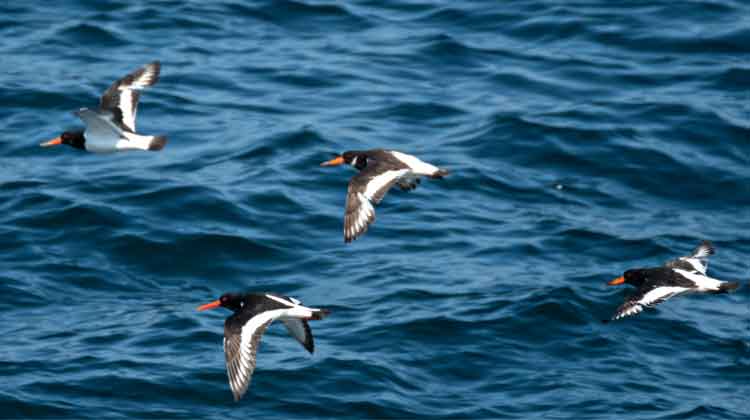
The Oystercatcher is very noisy wading bird with a loud ‘peep-ing’ call. They eat shellfish, particularly cockles and mussels, which it prises open with its strong, flattened bright orange bill.
When to see them? The largest numbers of them can be found on Inishkea between September & March.
Did you know? The oldest oystercatcher ever known lived for 40 years!
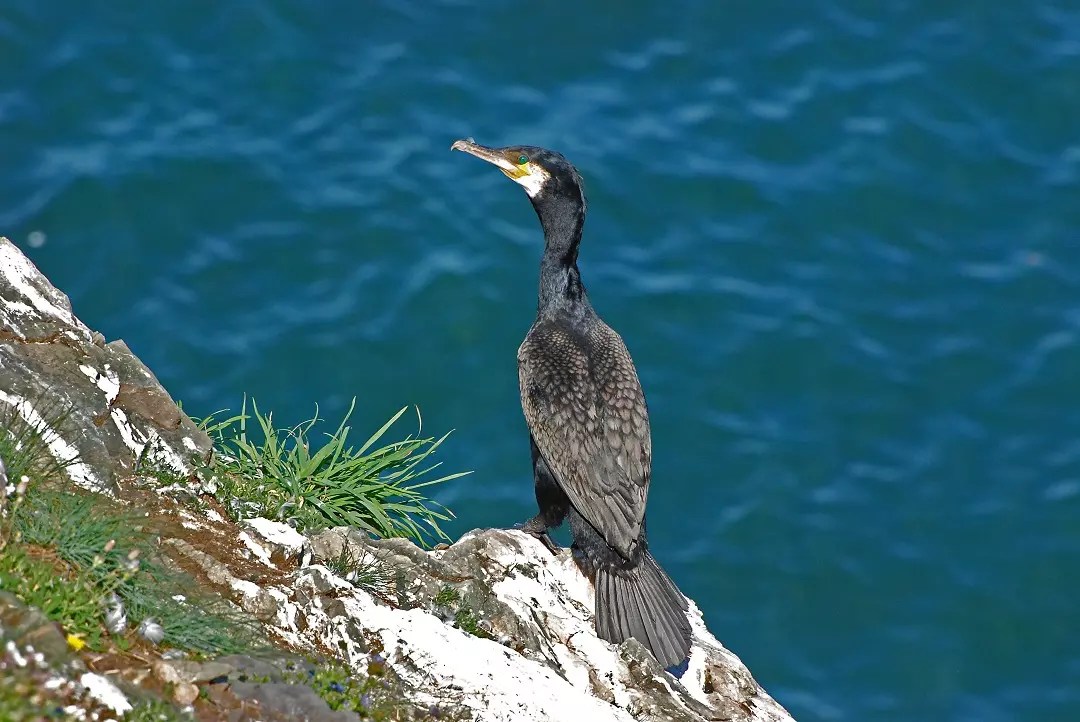
Cormorants – Cailleach Dhubh
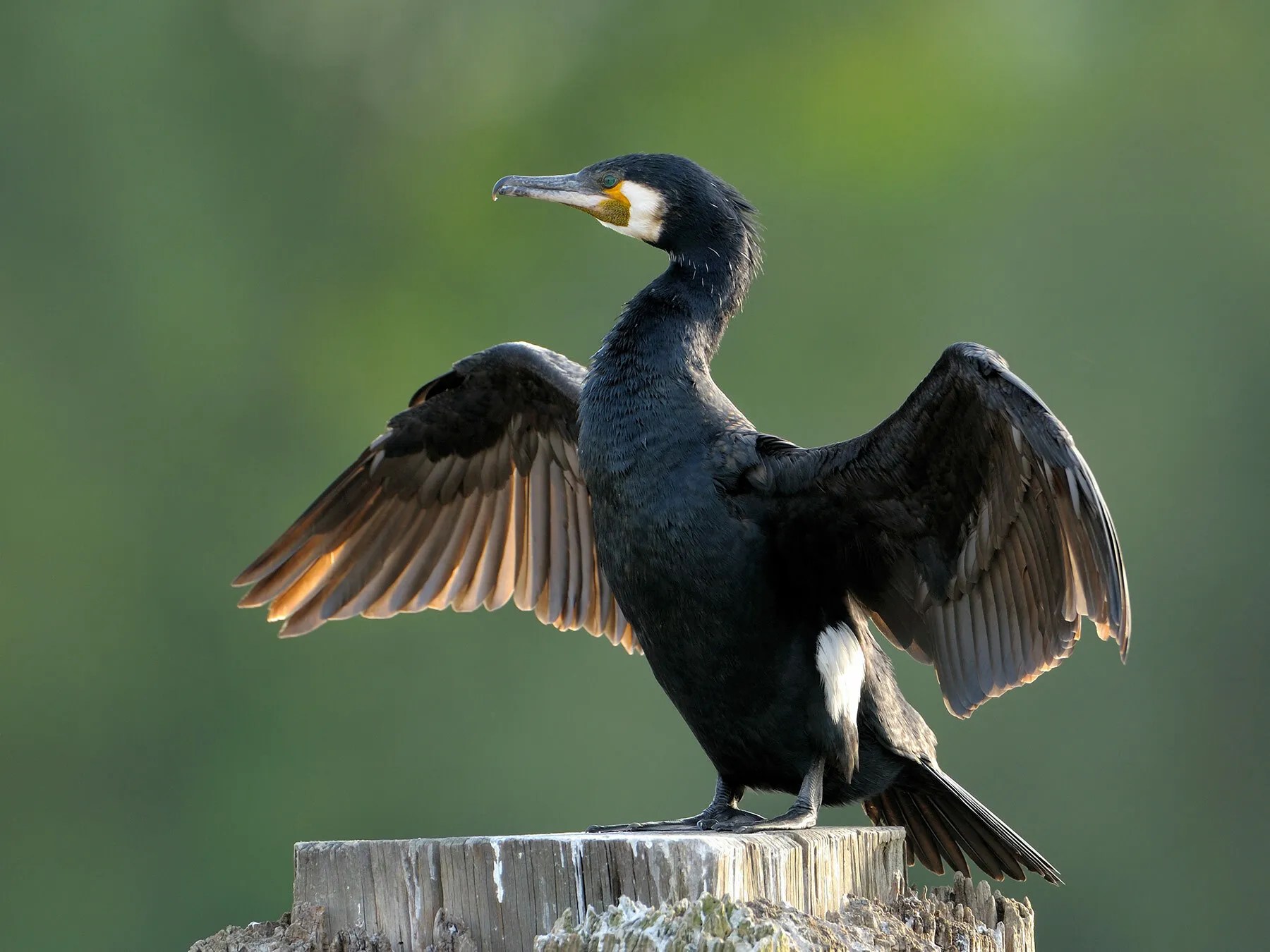
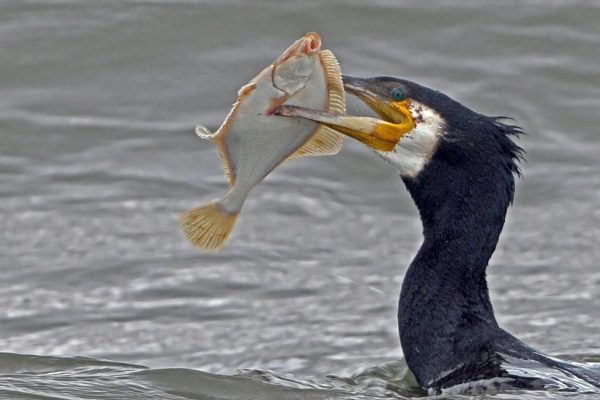
Cormorants are large, dark waterbirds with long necks and hooked beaks. They feed mainly on fish, diving deep beneath the surface to catch their prey.
When to see them?
Cormorants can be spotted around Inishkea all year round, often seen perched on rocks with their wings spread wide to dry after diving.
Did you know?
Cormorants can dive as deep as 45 metres, stay underwater for over a minute, and have less waterproofing in their feathers to help them sink more easily!
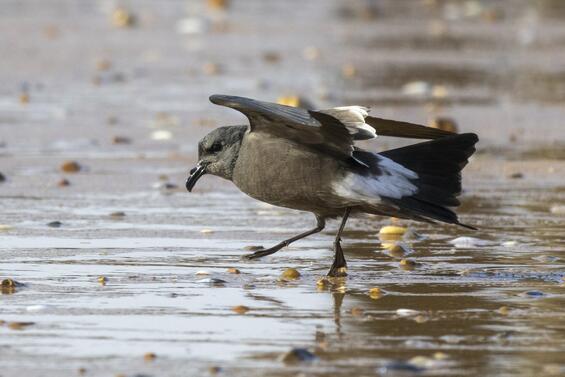
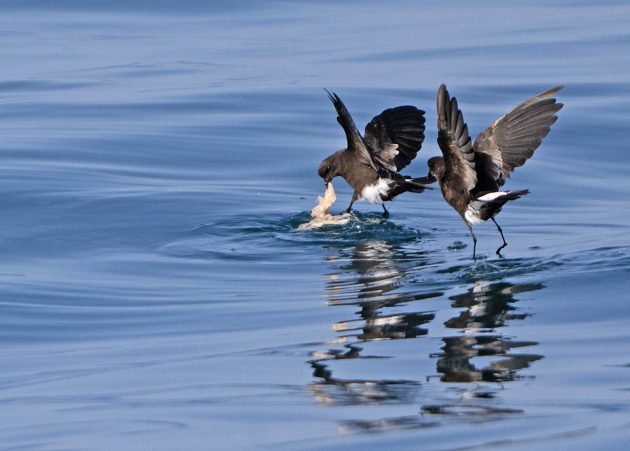
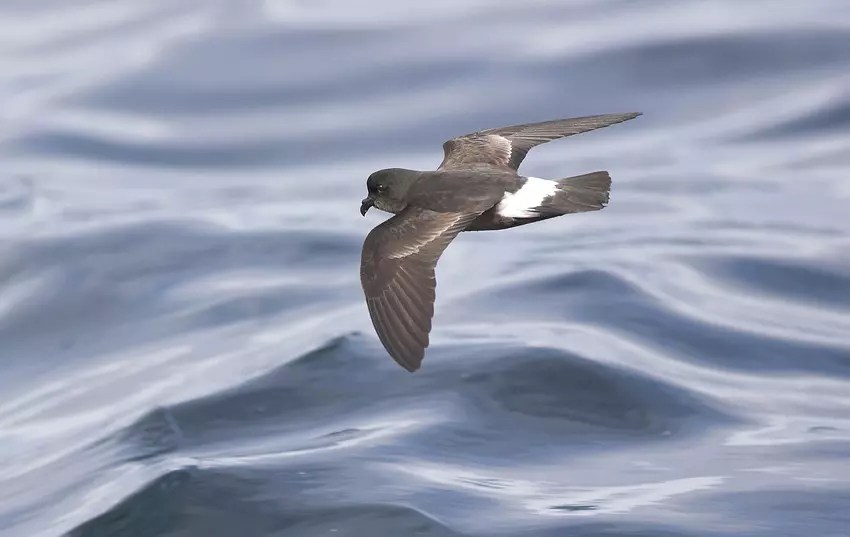
Storm Petrels – Guairdeall
The Storm Petrel is a small, dark seabird with fluttering, bat-like wings. Though tiny, they are true ocean wanderers, feeding on plankton, small fish, and crustaceans at sea.
When to see them?
Storm petrels are most often seen around Inishkea from May to September, nesting in burrows or rock crevices on remote islands during summer.
Did you know?
Storm petrels can live for over 30 years, use their sense of smell to find food at sea, and often feed only at night to avoid predators!
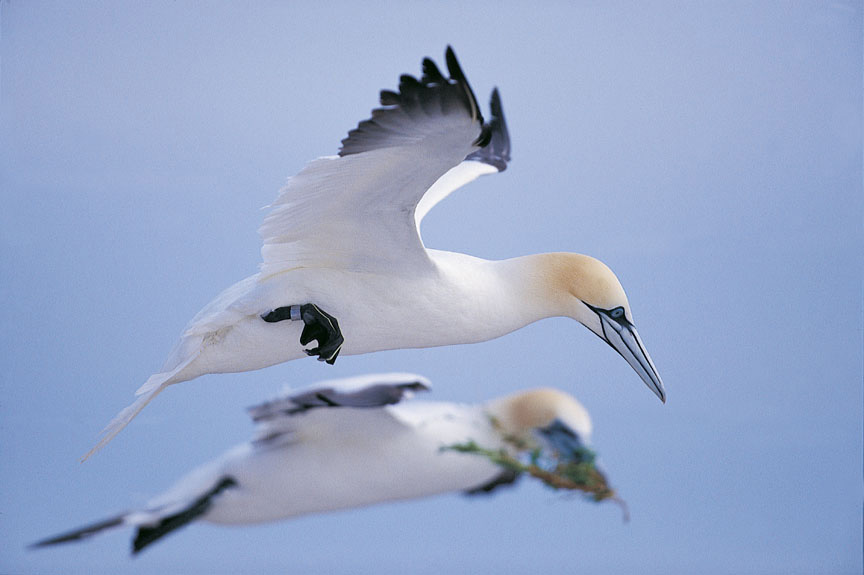

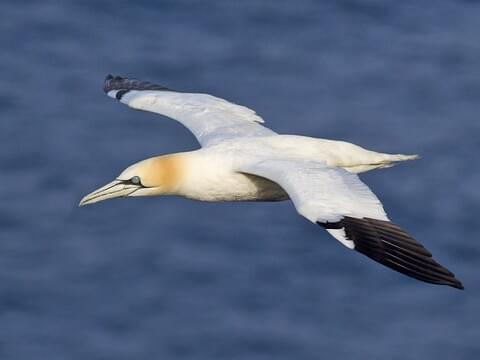
Gannets – Gainead
The Gannet is a large seabird with long, narrow wings. They mainly eat fish including mackerel & herring.
When to see them? The largest numbers of them can be found on Inishkea between September & March, they migrate to Greenland to have their young during summer.
Did you know? Gannets can plunge dive up to 40 metres into the sea by folding their wings back on descent to hit the water in a streamlined shape. They can hit the water at speeds of up to 60mph.

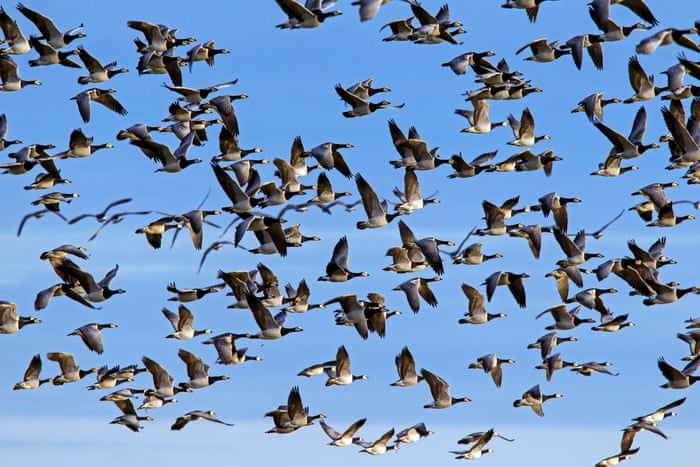
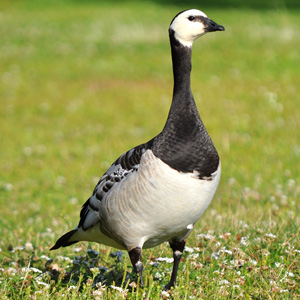
Barnacle Geese – Gé ghiúrainn
The Barnacle Goose is a type of goose with a small rounded head and short black bill. They are mainly vegetarian but during the winter they also eat insects & shellfish.
When to see them? The largest numbers of them can be found on Inishkea between September & March, they migrate to Greenland to have their young during summer.
Did you know? It was once thought that barnacle geese hatched out of goose barnacles attached to ships at sea! This belief grew because goose barnacles have black-and-white stripes (like the geese) and the nests of barnacle geese were never seen.
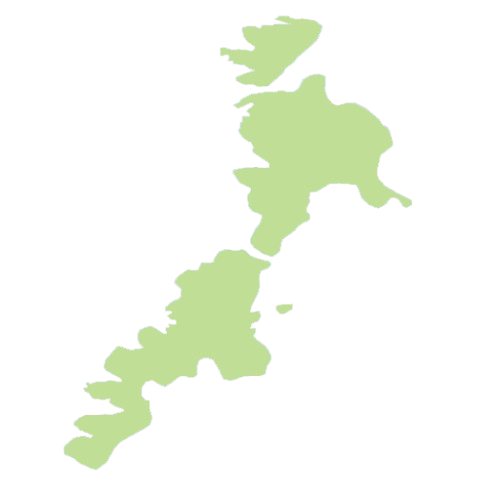
 Inishkea Islands