The Inishkea Islands – Oilean Inis Cé
The History of the Islands
Click on image

Click on image
6 Common Questions about Inishkea:
What are the islands named after? The Islands are believed to be named after a saint that lived on the island in the 5th century called Saint Kea (Irish: Inis Cé) and that the other belief of the islands being names after Barnacle Geese (Irish: Inis Gé was a mistake!
Which is the biggest island? Inishkea North is the largest island of Inishkea at 350 acres.
How many people lived on Inishkea? In the late 1800s the islands were home to over 300 people and around 60 families.
Can I camp on Inishkea? Camping is no longer allowed on either of the Inishkea Islands as of June 2023 due to new rules by the National Parks & Wildlife Service.
When did the islanders leave Inishkea & why? The islanders left Inishkea in the 1930s, following the Inishkea Drowning in 1927. The Inishkea Drowning was one of the primary reasons the islanders left. Although the Inishkea people enjoyed life on the island, life on remote offshore islands was much harder than on the mainland.
Where can I find out more? By visiting the islands here
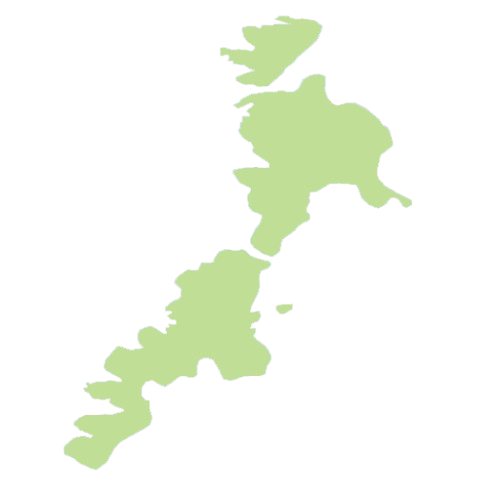
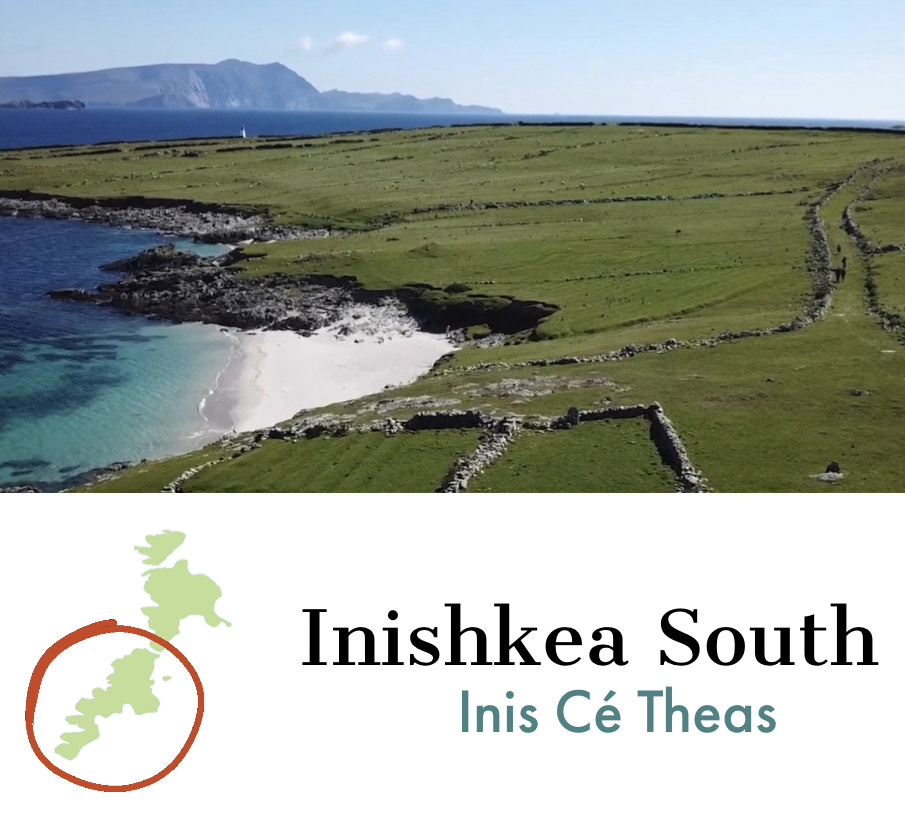
Inishkea South
Inis Cé Theas
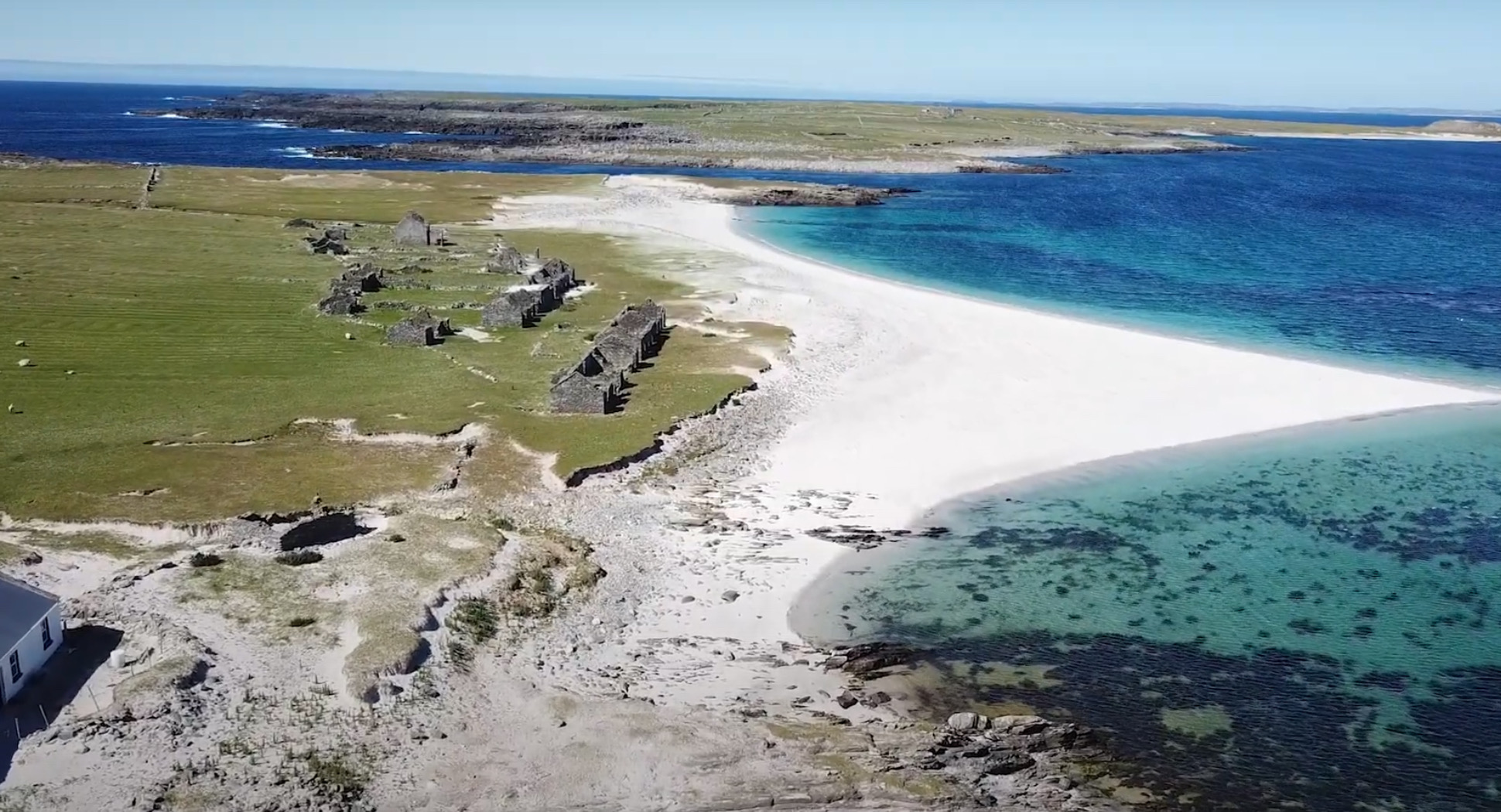
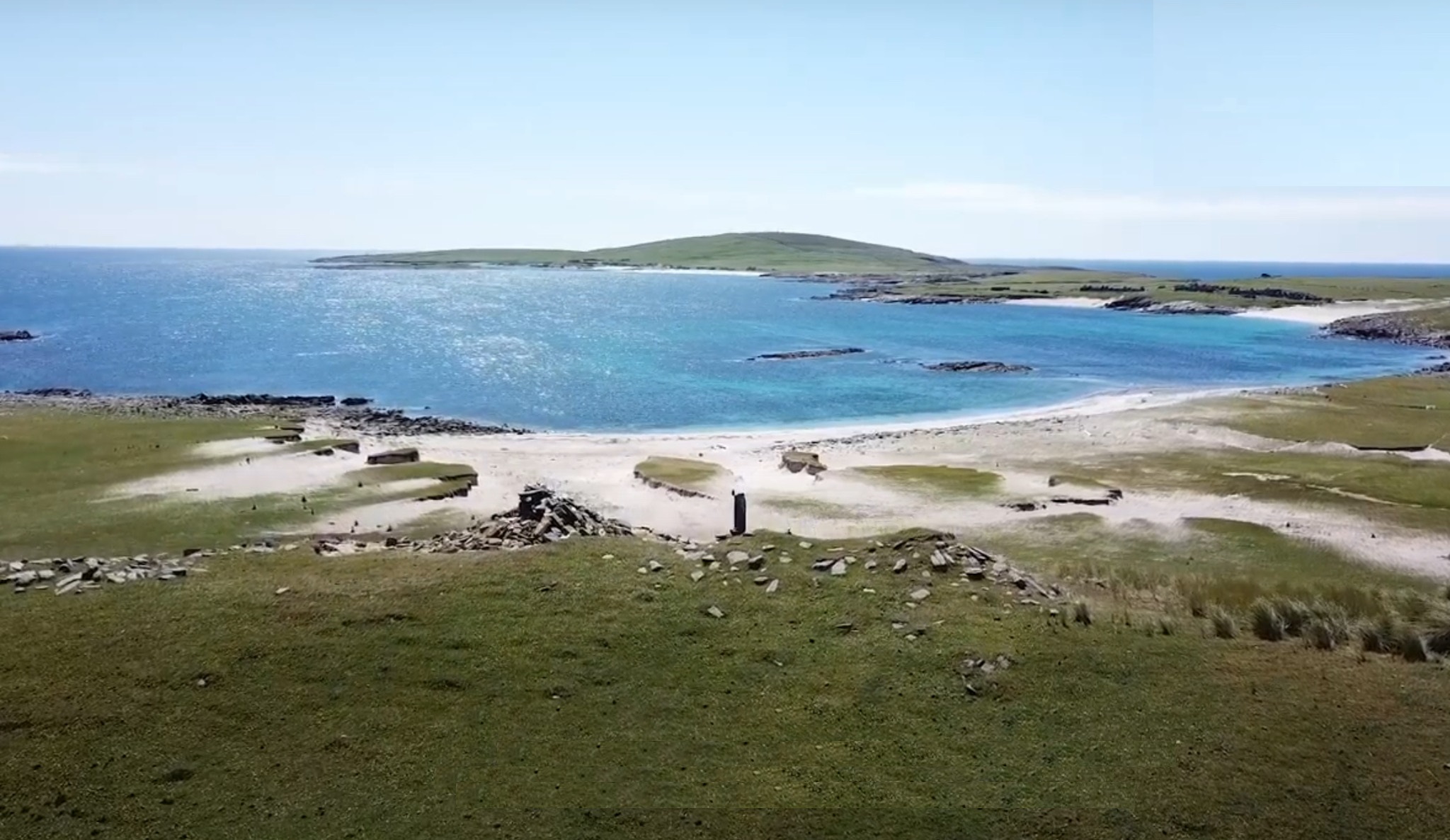
Inishkea South (Inis Cé Theas) is the most frequently visited island of Inishkea. It was once home to 22 families and around 80 people.

School
An Scoil
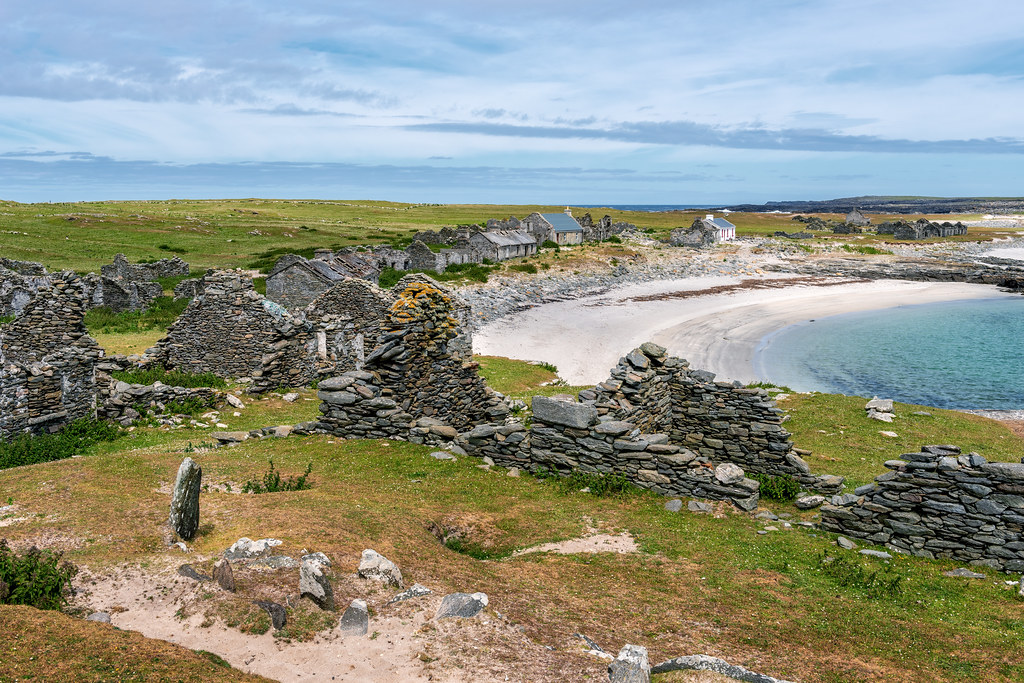
King’s House
Teach an Rí
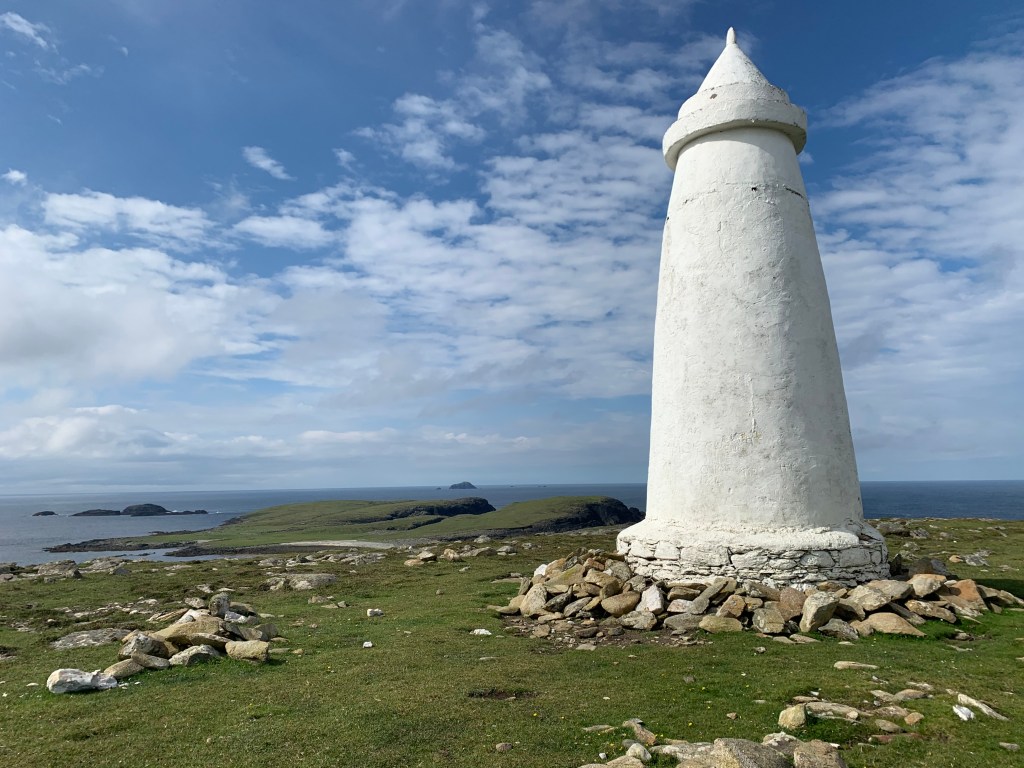
Navigation Tower
Túr Loingseoireachta
Inishkea North
Inis Cé Thuaidh
Inishkea North (Inis Cé Thuaidh) is the largest island of Inishkea and is the less frequently visited island. It was once home to 18 families and around 60 people.
Crucifixion Slab & Monastery
Bailey Mór
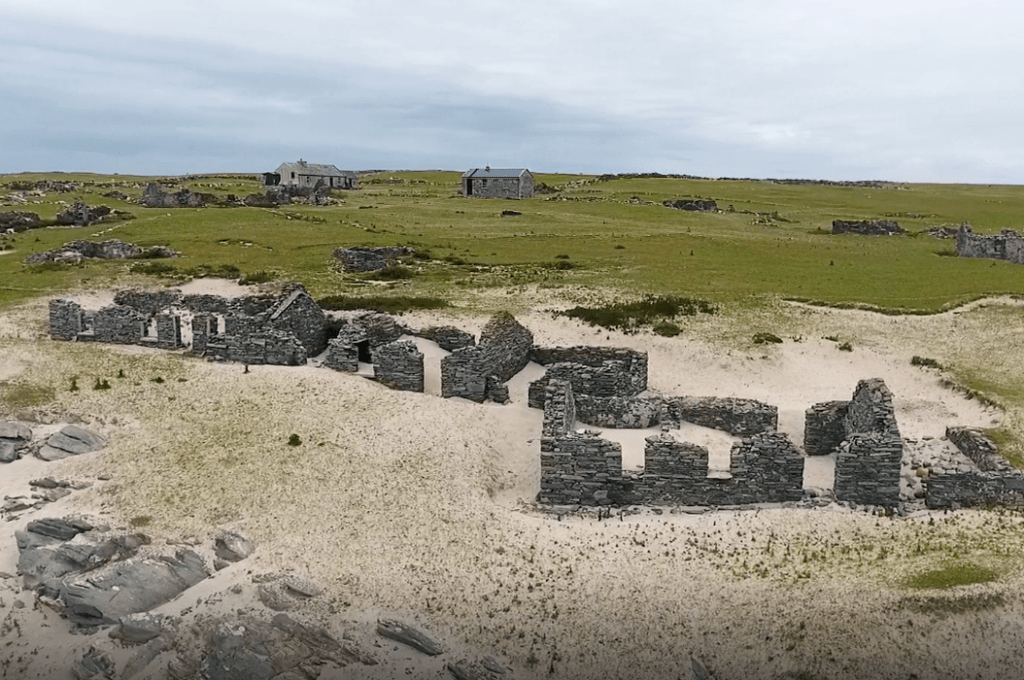
19th Century Village
Bhaile ón 19ú haois
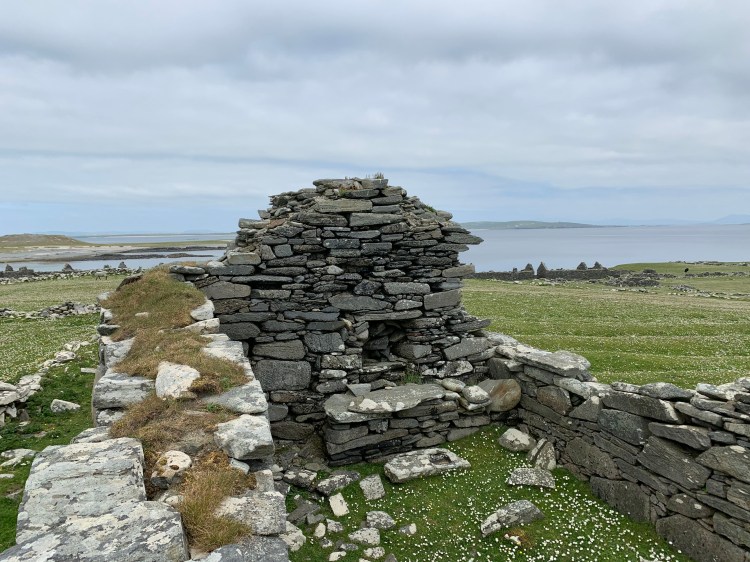
 Inishkea Islands